



Federal clemency · Criminal Center

Help asking the President for a second chance after a federal conviction

Still in federal prison, or done with the sentence but held back by the record? Learn how to ask the President for a commutation or a pardon.

  • Federal cases only
  • Nationwide

If someone you love is still in federal prison, the President can shorten the sentence. That is a commutation. If they finished their sentence years ago but the conviction still holds them back, the President can forgive it. That is a pardon. We help families ask for both.

What is clemency?

Clemency is mercy from the President for a federal crime. For someone still in prison, that usually means a commutation. For someone who has finished, a pardon.

Read the guide

What happens when you book

  1. Step 1Send a short formTell us briefly about the case on our consultation page.
  2. Step 2We contact youWe reach out to set a time for the consultation.
  3. Step 3Talk with Brandon SampleGo over the federal case and whether a pardon or a commutation is realistic.

How clemency works

Clemency doesn't reopen the case. The Justice Department reviews the request assuming the conviction was correct, so a strong petition focuses on who the person is today, not on re-arguing the trial. Requests go to the Office of the Pardon Attorney, and the President makes the final call. The power comes from the Constitution (art. II, § 2, cl. 1) and covers federal crimes only.

Brandon Sample

Your lawyer

Who prepares your petition

Brandon Sample practices federal criminal law nationwide, with years of hands-on experience in federal courts, and he co-wrote a guidebook on applying for pardons and commutations. Criminal Center handles federal cases only.

About Brandon Sample →

When you book

What we'll go over

  • Whether the conviction is federal (clemency only covers federal cases)
  • Whether a pardon or a commutation fits, and whether it's the right time
  • Other federal options that may work faster, like compassionate release
  • What a strong petition needs, and what to leave out
Book a consultation →

Whether your loved one is still serving a federal sentence or finished one years ago, the guides below explain what the President can do, who qualifies, and how to ask.
Book a consultation

The kinds of clemency, in plain English

  • Clemency

    Clemency is mercy from the President for a federal crime. It is the umbrella word for the options below.

    Read more
  • Pardon

    A pardon is the President’s official forgiveness for a federal crime, usually asked for years after the sentence is done. It can restore rights like voting and jury service, but it does not erase the conviction.

    Read more
  • Reprieve

    A reprieve puts a sentence on hold for a while. It is most often used to delay an execution.

    Read more
  • Executive clemency

    “Executive clemency” is the formal name for the President’s power to grant mercy. It comes from the U.S. Constitution.

    Read more
  • Commutation

    A commutation shortens a federal sentence that someone is still serving. The conviction stays on the record.

    Read more
  • Remission

    Remission cancels or reduces a fine or restitution (money a court ordered someone to pay).

    Read more

How we can help

  • Petitions

    Criminal Center helps people research, write, and file pardon and commutation petitions in federal cases. A strong petition is specific, honest, and backed by records and letters from people who know the person today.

    Book a consultation
  • About Clemency.com

    Clemency.com is a project of Criminal Center, a federal criminal defense firm. We handle federal cases nationwide, and only federal cases.

    About us
  • Consultation

    Book a consultation to talk it through with Brandon Sample.

    Book a consultation

How to apply for clemency

First, the basics

  • Clemency is mercy granted to a person convicted of a crime.
  • The main types are a presidential pardon, a commutation of sentence, and a reprieve.
  • The President grants it under Article II, Section 2 of the Constitution.
  • The President can only grant clemency for federal crimes.
  • Criminal Center handles federal clemency only.

When can you apply?

  • Pardon: DOJ rules say to wait at least 5 years after release from prison. If there was no prison time, the 5 years start on the date of conviction (28 C.F.R. § 1.2). You generally should not apply while still on probation, parole, or supervised release.
  • Commutation: There is no waiting period. But the official form says you should not have any court challenge pending, such as an appeal or a 2255 motion (a request asking the sentencing judge to throw out the sentence).

What goes in a pardon application?

  • The official pardon form, signed under penalty of perjury
  • Why you want a pardon and how the conviction has affected your life
  • At least three letters of support. Your three main references can’t be related to you by blood or marriage.
  • Your full criminal history, including old arrests
  • Your job history and finances. A credit report is checked if a background investigation starts.

Where federal clemency petitions go

Check the status of a petition

The Office of the Pardon Attorney has an online case search on its website.

Check status →

Recent clemency news

The President has the power to grant pardons for federal crimes. Read about past grants and how they happened.

Read more →

Clemency statistics

See how many pardons and commutations each President has granted, based on Justice Department numbers.

Read more →

Thinking about a pardon or commutation?

Book a consultation to talk it through with Brandon Sample.

Book a consultation →

Common questions

What is clemency?

Clemency is mercy from the President for a federal crime. Read the full explanation.

What is executive clemency?

It is the President’s power to forgive a federal crime or shorten a federal sentence. Learn more about executive clemency.

How do I apply for clemency?

You fill out the Justice Department’s form and send it to the Office of the Pardon Attorney. See the steps.

How long does a pardon take?

The Justice Department says the process can take months or years, and no outcome is guaranteed. Read about the pardon process.

Latest news

All news
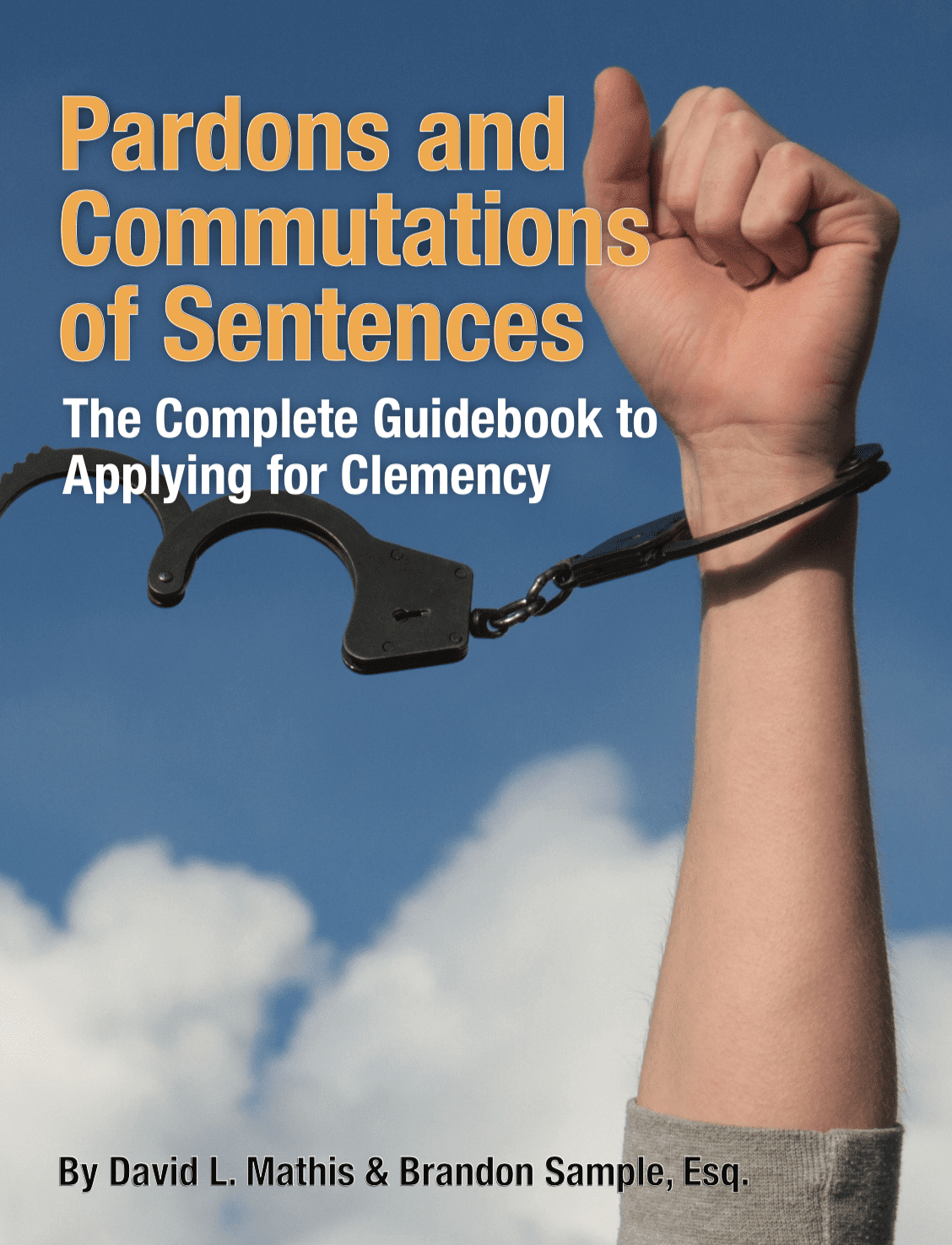
Pardons and Commutations of Sentences

Our book

The guidebook we co-wrote

Pardons and Commutations of Sentences

By David L. Mathis & Brandon Sample, Esq.

A step-by-step guide for people applying for a pardon or a commutation: how the federal process works, what belongs in a petition, and how the two forms of relief differ.

In the news

Ross Ulbricht: prison lawsuit and pardon coverage

In 2021, Brandon Sample represented Ross Ulbricht in a lawsuit against the Bureau of Prisons under the Religious Freedom Restoration Act. The court dismissed the case in December 2021 after both sides asked it to.

President Trump gave Ulbricht a full pardon on January 21, 2025. News coverage of the pardon quotes Brandon Sample as Ulbricht’s attorney.

Outcomes vary. A past result does not predict or guarantee the outcome of any other case. No one can promise that the President will grant clemency.

Joe Exotic: pardon request and appeal

Brandon Sample was part of the pro bono team that asked President Trump to pardon Joseph Maldonado-Passage, known as Joe Exotic. No pardon was granted.

Brandon Sample argued Joe Exotic’s direct appeal in the Tenth Circuit. On July 14, 2021, the court upheld the conviction, vacated the sentence and ordered a new sentencing. Other lawyers handled the later proceedings.

Outcomes vary. A past result does not predict or guarantee the outcome of any other case. No one can promise that the President will grant clemency.

More coverage on brandonsample.com

Federal only

Is clemency an option for your family?

Book a consultation about a federal pardon or commutation. We'll listen, tell you whether we can help, and explain what comes next.

Information you send before we agree to represent you may not be confidential.

Book a consultation